New Suez Canal Project 2015
The New Suez Canal Project
The Mediterranean and Black Seas are under threat of biological invasion and bioterrorism due to the New Suez Canal project.
The Turkish Marine Research Foundation (TÜDAV) announced that the New Suez Canal project, which involved the demolition of 1500 homes to make way for the canal, the displacement of thousands of Egyptians, and the collapse of one of the sedimentation pools at the construction site, will also bring with it an unknown and unforeseen ecological danger. TÜDAV emphasized the need to create international public awareness to take necessary precautions against the biological invasion and bioterrorism that the project, which includes widening the canal and opening it to two-way traffic, will cause.
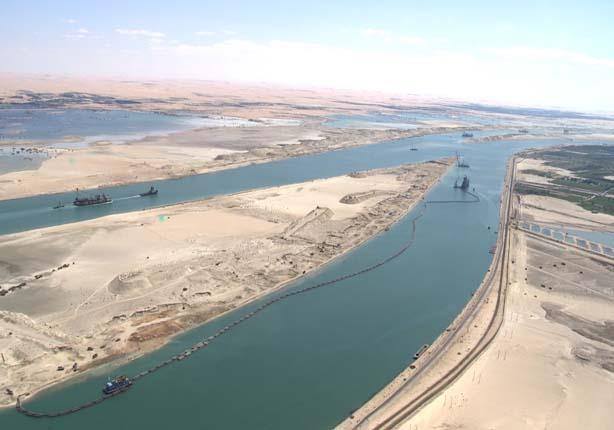
Photo: http://worldmaritimenews.com
Our foundation announced that the New Suez Canal, scheduled to open on August 6th, poses significant risks in terms of its ecological, economic, and social consequences. According to a study conducted by TÜDAV (Turkish Marine Research Foundation), the expansion of the Suez Canal by opening a parallel channel to allow two-way maritime traffic will further increase the number of foreign species coming from the Red Sea to the Mediterranean and their harmful effects on the natural marine ecosystem.
In a statement on the subject, the Foundation's President and Istanbul University Professor, Prof. Bayram Öztürk, said, “It is said that the new parallel channel will be 72 km long and at least 30 meters deep. Although this project will reduce ship traffic between the Red Sea and the Mediterranean from 22 hours to 11 hours, the ecological damage it will cause will be much greater than we anticipate; the entire Mediterranean and Black Seas will be negatively affected by this expansion.”
“In this context, the Egyptian government needs to urgently implement effective solutions such as increasing the salinity of the naturally formed lakes in the canal to create barriers against this biological invasion. These naturally formed lakes in the canal had temporarily prevented the migration of Red Sea species to the Mediterranean, but now this natural barrier is disappearing. We expect the international community to call on the Egyptian government to exercise common sense in this matter. Because the Mediterranean and Black Seas are sources of life in a geography where civilizations originated. Protecting these seas against the approaching large-scale ecological threat is the duty of all of us.”
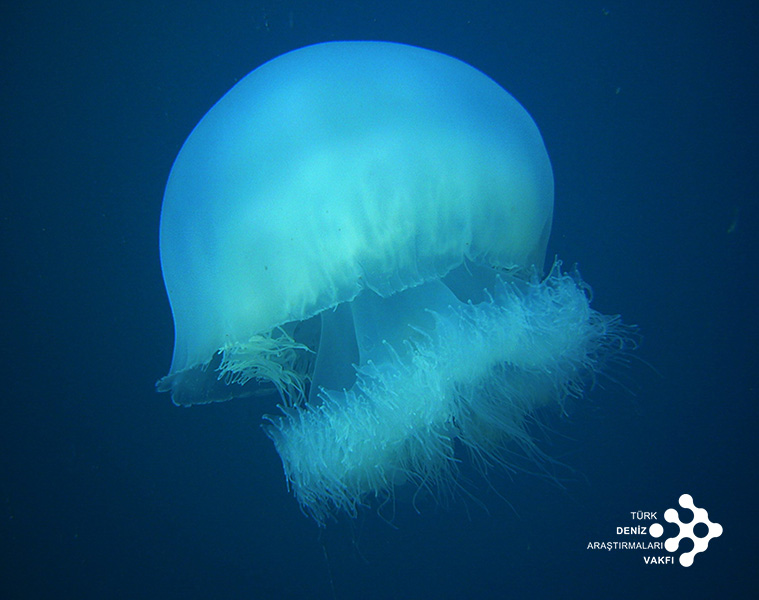
If no precautions are taken, invasive foreign species will spread to the Mediterranean and Black Seas.
Öztürk stated that the Suez Canal, which opened in 1869 and has been expanded many times over time to increase maritime transport, has caused new marine species from the Indian Ocean and the Red Sea to enter the Mediterranean, gradually changing marine life in the Mediterranean and especially the Black Sea. Regarding the biological invasion awaiting the Mediterranean and Black Seas, he said: “In this state, the Suez Canal has become one of the most important transit routes for foreign marine species. More than 350 foreign species have passed into the Mediterranean and spread throughout the basin. These invasive species, mainly fish, shrimp, and jellyfish, have changed the structure and function of the ecosystem in the Mediterranean, as well as causing the disruption of biodiversity and social problems such as fishing, tourism, and health. Since the expansion and bidirectional opening of the Suez Canal has caused unwanted harmful and poisonous marine creatures, especially jellyfish, to cause economic damage to the Mediterranean and Black Seas, this is a kind of biological invasion and bioterrorism.” It is characterized as follows:
For example, a jellyfish species originating from the Red Sea, such as Rhopilema nomadica, is now found along all the coasts of the Eastern Mediterranean. This jellyfish clogs net mesh, leading to a decrease in the number of fish caught and inefficient fishing practices, and also negatively impacts tourism due to the long-term effects of jellyfish stings and poisoning on human health. If necessary precautions are not taken in the expanded Suez Canal and barriers are not created to prevent invasive species, we will soon encounter many similar examples on the Mediterranean and Black Sea coasts.”
The threat also has an economic and health dimension.
Öztürk stated that the pufferfish species known as Lagocephalus sceleratus, which entered the Mediterranean via the Suez Canal and reached many coasts in the Eastern Basin, is considered the worst and most voracious invasive species in the Mediterranean and has become a significant threat because it tears fishermen's nets. He noted that this fish causes millions of dollars in damage to small-scale fishermen, and no one compensates for this damage. Öztürk also stated that this species contains a potent neurotoxic poison due to the tetradotoxin it has, and that citizens who might consume this fish could face serious and potentially fatal health problems.
The Mediterranean and Black Seas are under threat of biological invasion and bioterrorism due to the New Suez Canal project.
The Turkish Marine Research Foundation (TÜDAV) announced that the New Suez Canal project, which involved the demolition of 1500 homes to make way for the canal, the displacement of thousands of Egyptians, and the collapse of one of the sedimentation pools at the construction site, will also bring with it an unknown and unforeseen ecological danger. TÜDAV emphasized the need to create international public awareness to take necessary precautions against the biological invasion and bioterrorism that the project, which includes widening the canal and opening it to two-way traffic, will cause.
Photo: http://worldmaritimenews.com
Our foundation announced that the New Suez Canal, scheduled to open on August 6th, poses significant risks in terms of its ecological, economic, and social consequences. According to a study conducted by TÜDAV (Turkish Marine Research Foundation), the expansion of the Suez Canal by opening a parallel channel to allow two-way maritime traffic will further increase the number of foreign species coming from the Red Sea to the Mediterranean and their harmful effects on the natural marine ecosystem.
In a statement on the subject, the Foundation's President and Istanbul University Professor, Prof. Bayram Öztürk, said, “It is said that the new parallel channel will be 72 km long and at least 30 meters deep. Although this project will reduce ship traffic between the Red Sea and the Mediterranean from 22 hours to 11 hours, the ecological damage it will cause will be much greater than we anticipate; the entire Mediterranean and Black Seas will be negatively affected by this expansion.”
“In this context, the Egyptian government needs to urgently implement effective solutions such as increasing the salinity of the naturally formed lakes in the canal to create barriers against this biological invasion. These naturally formed lakes in the canal had temporarily prevented the migration of Red Sea species to the Mediterranean, but now this natural barrier is disappearing. We expect the international community to call on the Egyptian government to exercise common sense in this matter. Because the Mediterranean and Black Seas are sources of life in a geography where civilizations originated. Protecting these seas against the approaching large-scale ecological threat is the duty of all of us.”
If no precautions are taken, invasive foreign species will spread to the Mediterranean and Black Seas.
Öztürk stated that the Suez Canal, which opened in 1869 and has been expanded many times over time to increase maritime transport, has caused new marine species from the Indian Ocean and the Red Sea to enter the Mediterranean, gradually changing marine life in the Mediterranean and especially the Black Sea. Regarding the biological invasion awaiting the Mediterranean and Black Seas, he said: “In this state, the Suez Canal has become one of the most important transit routes for foreign marine species. More than 350 foreign species have passed into the Mediterranean and spread throughout the basin. These invasive species, mainly fish, shrimp, and jellyfish, have changed the structure and function of the ecosystem in the Mediterranean, as well as causing the disruption of biodiversity and social problems such as fishing, tourism, and health. Since the expansion and bidirectional opening of the Suez Canal has caused unwanted harmful and poisonous marine creatures, especially jellyfish, to cause economic damage to the Mediterranean and Black Seas, this is a kind of biological invasion and bioterrorism.” It is characterized as follows:
For example, a jellyfish species originating from the Red Sea, such as Rhopilema nomadica, is now found along all the coasts of the Eastern Mediterranean. This jellyfish clogs net mesh, leading to a decrease in the number of fish caught and inefficient fishing practices, and also negatively impacts tourism due to the long-term effects of jellyfish stings and poisoning on human health. If necessary precautions are not taken in the expanded Suez Canal and barriers are not created to prevent invasive species, we will soon encounter many similar examples on the Mediterranean and Black Sea coasts.”
The threat also has an economic and health dimension.
Öztürk stated that the pufferfish species known as Lagocephalus sceleratus, which entered the Mediterranean via the Suez Canal and reached many coasts in the Eastern Basin, is considered the worst and most voracious invasive species in the Mediterranean and has become a significant threat because it tears fishermen's nets. He noted that this fish causes millions of dollars in damage to small-scale fishermen, and no one compensates for this damage. Öztürk also stated that this species contains a potent neurotoxic poison due to the tetradotoxin it has, and that citizens who might consume this fish could face serious and potentially fatal health problems.